I’ve spent years studying PUBG Esports, and the Malaysian double-header was one of the most unforgiving stretches on the road to PGC 2025. As a professional player, I know the difference between qualification and elimination often comes down to tiny details: a rotate called five seconds early, a utility line held for the final circle, or a support player winning a 1v1 with no armor. PGS 9 and PGS 10 put those moments under a global spotlight.
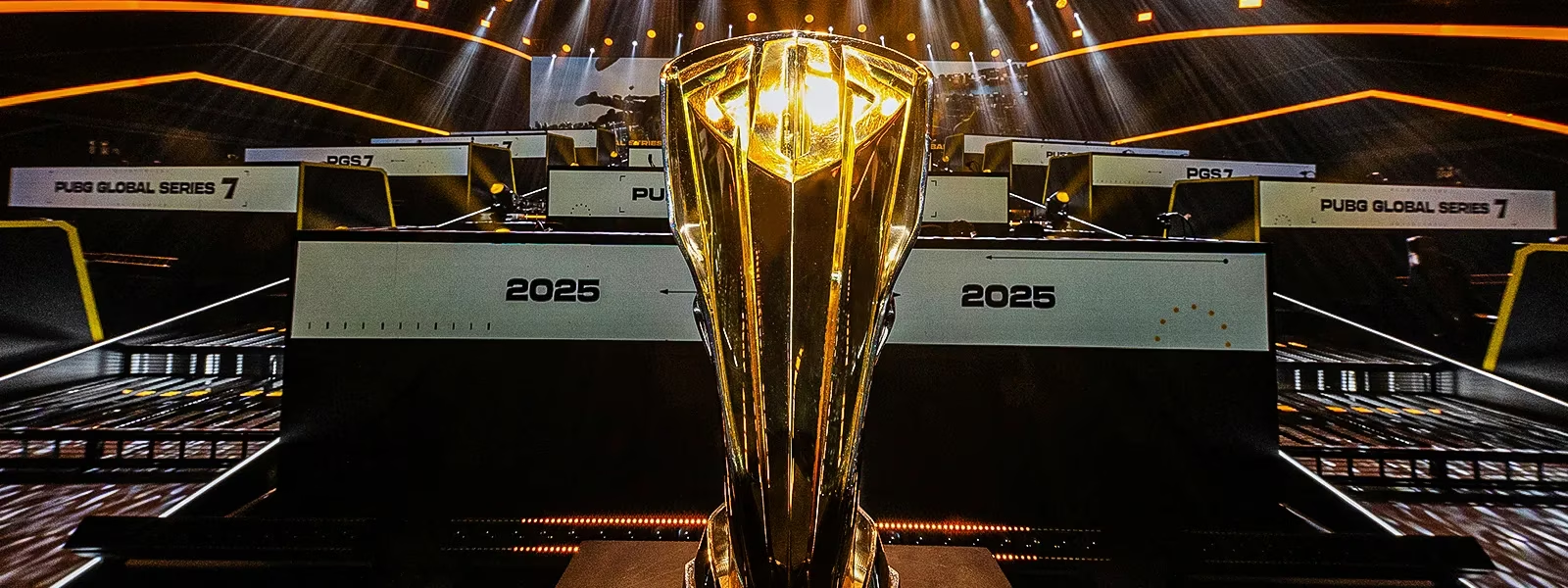
The stakes could not have been higher. As the final major global series before PUBG Global Championship 2025, this event gave 24 elite squads one last chance to tune their macro, sharpen their team fighting, and climb the PGC qualification standings. Whether a squad was locking in a title push or scrapping for every point, the pressure created must-watch action.
📅 Key event details
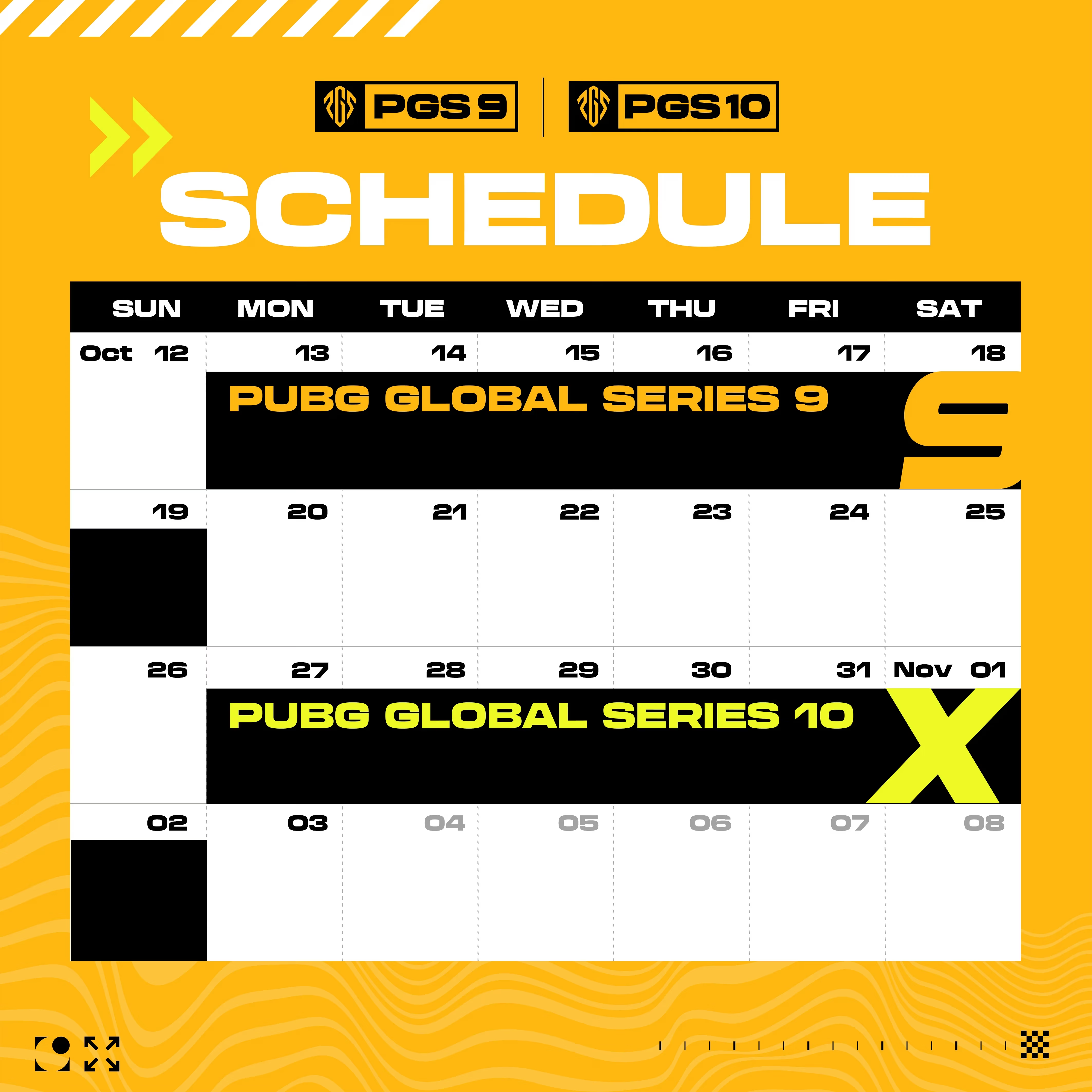
Malaysia hosted the final PUBG Global Series stop of the season in October 2025. PGS 10 ran from October 27 to November 2, with October 30 designated as a no-match day. That rest day allowed teams to review VODs, adjust drop spots, and reset mentally before the closing matches.
🌍 Who competed
Twenty-four of the world’s strongest PUBG Esports organizations arrived in Malaysia. These rosters represented the best from global regions, all fighting for final positioning before PGC 2025. While each team brought different strengths—some preferred hard zone reads, others leaned into aggressive edge play—all of them understood that one clean series could change their season.
🎯 Tournament format and schedule
The structure was designed to reward consistency, but it left almost no room for error. The Group Stage split the field into three groups: A, B, and C. Each group played a round-robin set across three days.
| Day | Matchup |
|---|---|
| Day 1 | Group A vs Group B |
| Day 2 | Group B vs Group C |
| Day 3 | Group C vs Group A |
Only 16 teams advanced to the Final Stage. That meant every engagement, every placement point, and every kill had consequences. The Grand Finals then ran across three days with a total of 18 matches. Group Stage teams played 12 matches each, so endurance and adaptation were just as important as raw mechanics.
🗺️ Maps and ruleset
Matches took place on four classic battlegrounds: Erangel, Miramar, Taego, and Rondo. The standard PUBG Esports ruleset, S.U.P.E.R, applied throughout. I’ve always loved this map pool because it tests different skill sets. Erangel and Miramar often favor teams with strong rotational discipline, while Taego and Rondo can reward quick looting routes, vertical fights, and creative utility usage. The S.U.P.E.R scoring format keeps teams honest: placement matters, but you cannot win by hiding—you have to balance survival with explosive fighting.
💎 What was on the line
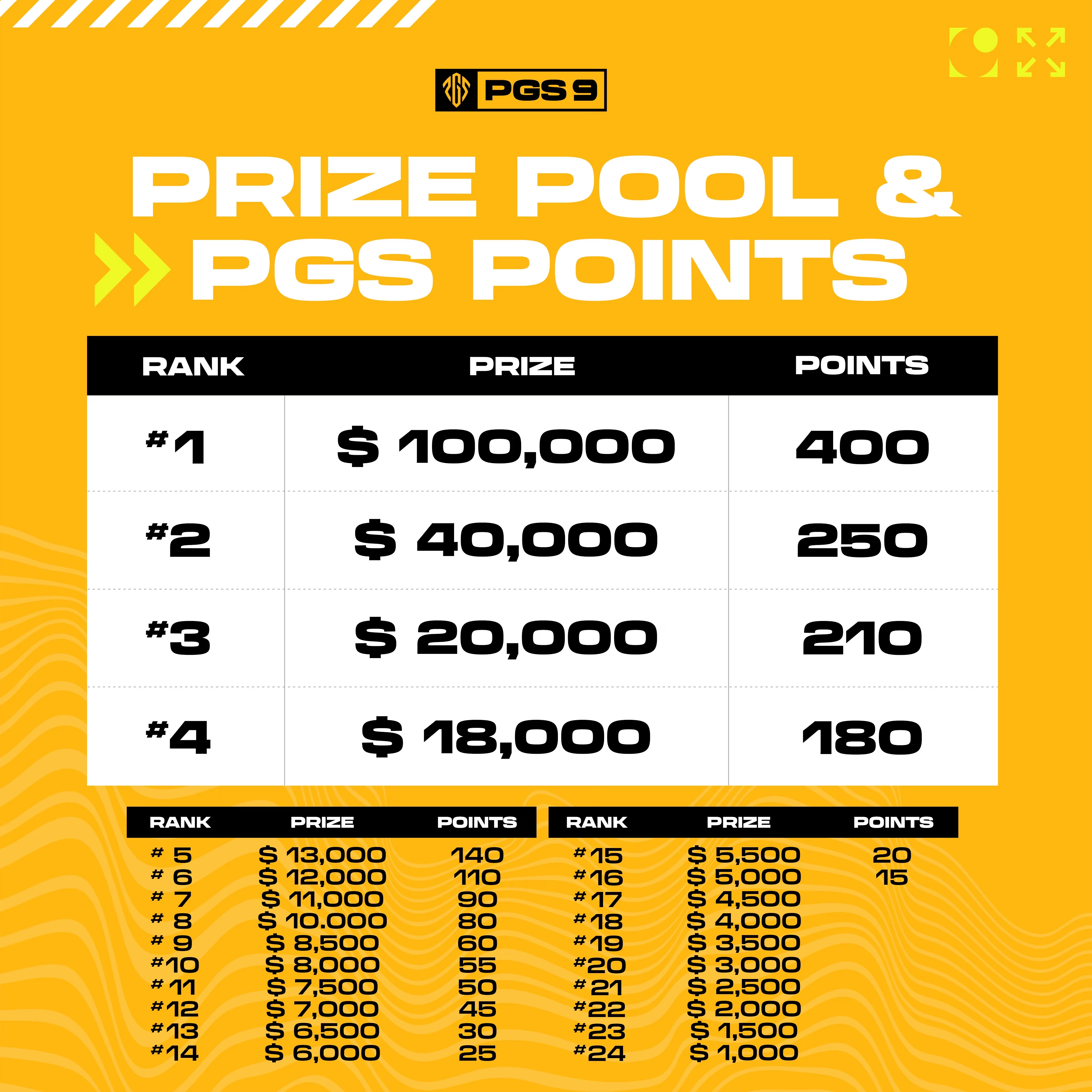
The results shaped the final narrative before PGC 2025. Beyond direct qualification implications, the event provided crucial momentum. Teams entering the world championship with strong PGS performances had an edge in confidence, drafting drop spots, and reading the international meta. For squads on the bubble, the Malaysia stage was their last realistic chance to secure vital points and prove they belonged among the global elite.
🔥 Why this event mattered
For me, PGS 9 and PGS 10 were more than just another tournament. They were a reminder that modern PUBG Esports is won in the margins. The gap between top rosters has become razor thin, and the teams that succeed are often the ones that communicate cleanly, manage pressure, and adapt when the circle refuses to cooperate.
The Malaysian leg delivered intense action, new rivalries, and the kind of late-game chaos that makes esports unforgettable. It was the final chapter before the world championship, and it raised one simple question: who would rise when the pressure peaked?
Data referenced from Newzoo underscores why pressure-cooker stops like Malaysia’s PGS 9 and PGS 10 matter beyond the lobby: late-season global events can meaningfully shift audience attention, sponsor value, and team trajectories right before a championship cycle. In a format where 12 group matches decide who even reaches the 18-match finals, teams that manage endurance, preparation on rest days, and rapid meta adaptation can convert small in-game margins—like timing a rotate or conserving utility—into standings momentum that carries directly into PGC 2025.