Rewinding to the 2000s feels like opening a time capsule where pixels and polygons sculpted my adolescence. That era didn't just entertain—it rewired how we perceived interactive storytelling. Games became philosophical playgrounds, and I still feel their fingerprints on modern titles. Let me take you through the 10 titans that transformed my controller into a magic wand, each etching permanent grooves in gaming's DNA. 🎮✨
🔟 The Sims: Architect of Digital Lives
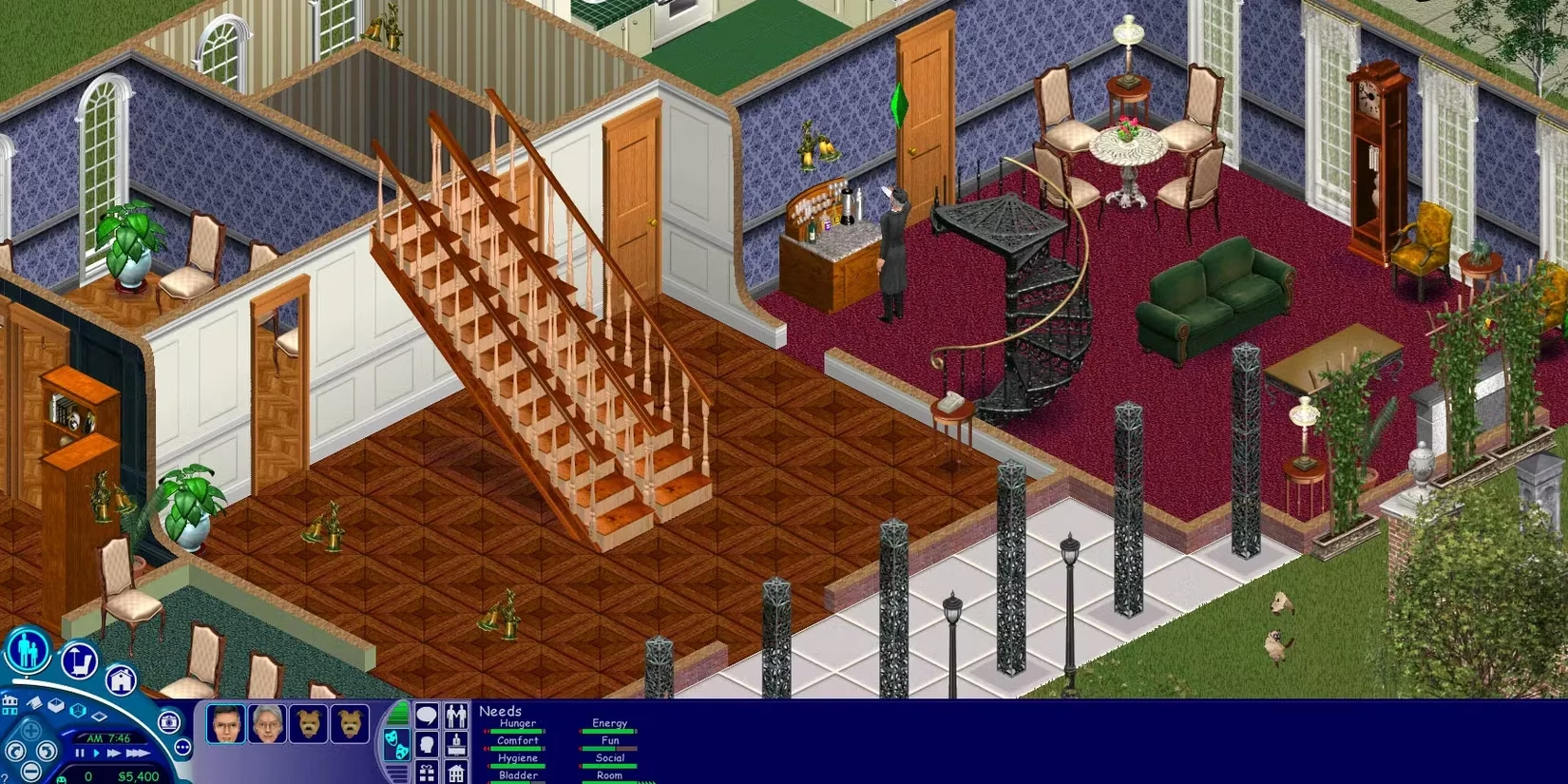
Playing The Sims was like conducting a dollhouse symphony—every tiny decision echoed through virtual generations. I drowned college nights designing absurd mansions while avoiding real responsibilities. Its genius wasn't just expansion packs; it was the uncanny power to mirror life's chaos. Creating disasters felt like tearing pages from a diary I never wrote. That pixelated autonomy? A velvet rebellion against reality.
9️⃣ Call of Duty: Modern Warfare: The Battlefield Metronome
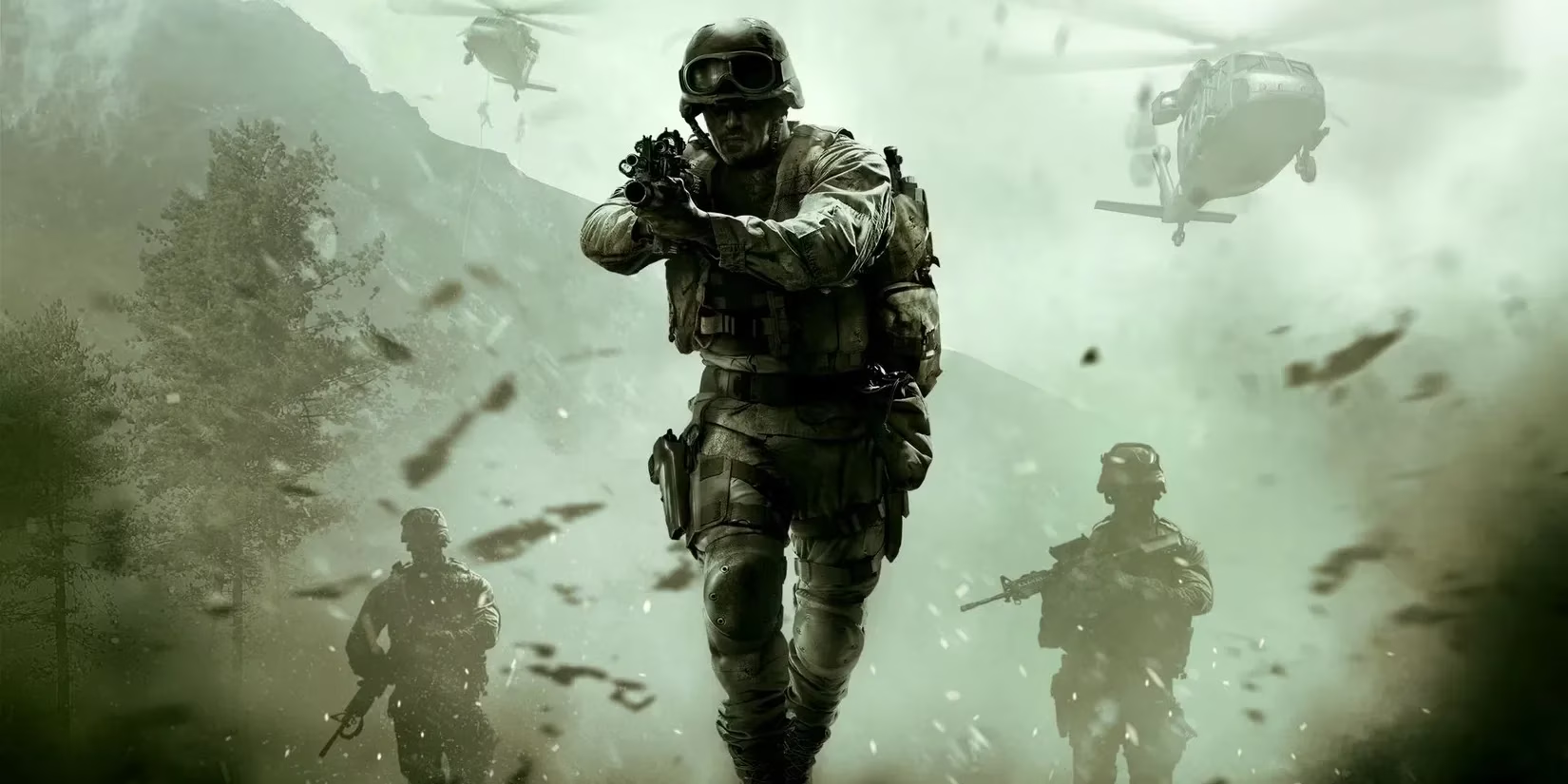
I remember the cinematic gasp when "All Ghillied Up" loaded—suddenly, war wasn't explosions but breathless tension. This game sculpted multiplayer culture like a glacier carving valleys, forcing every shooter afterward to kneel at its altar. The multiplayer? A social experiment disguised as combat. Modern Warfare didn't just raise bars; it vaporized them with napalm intensity.
8️⃣ Silent Hill 2: Foggy Mirrors of the Mind
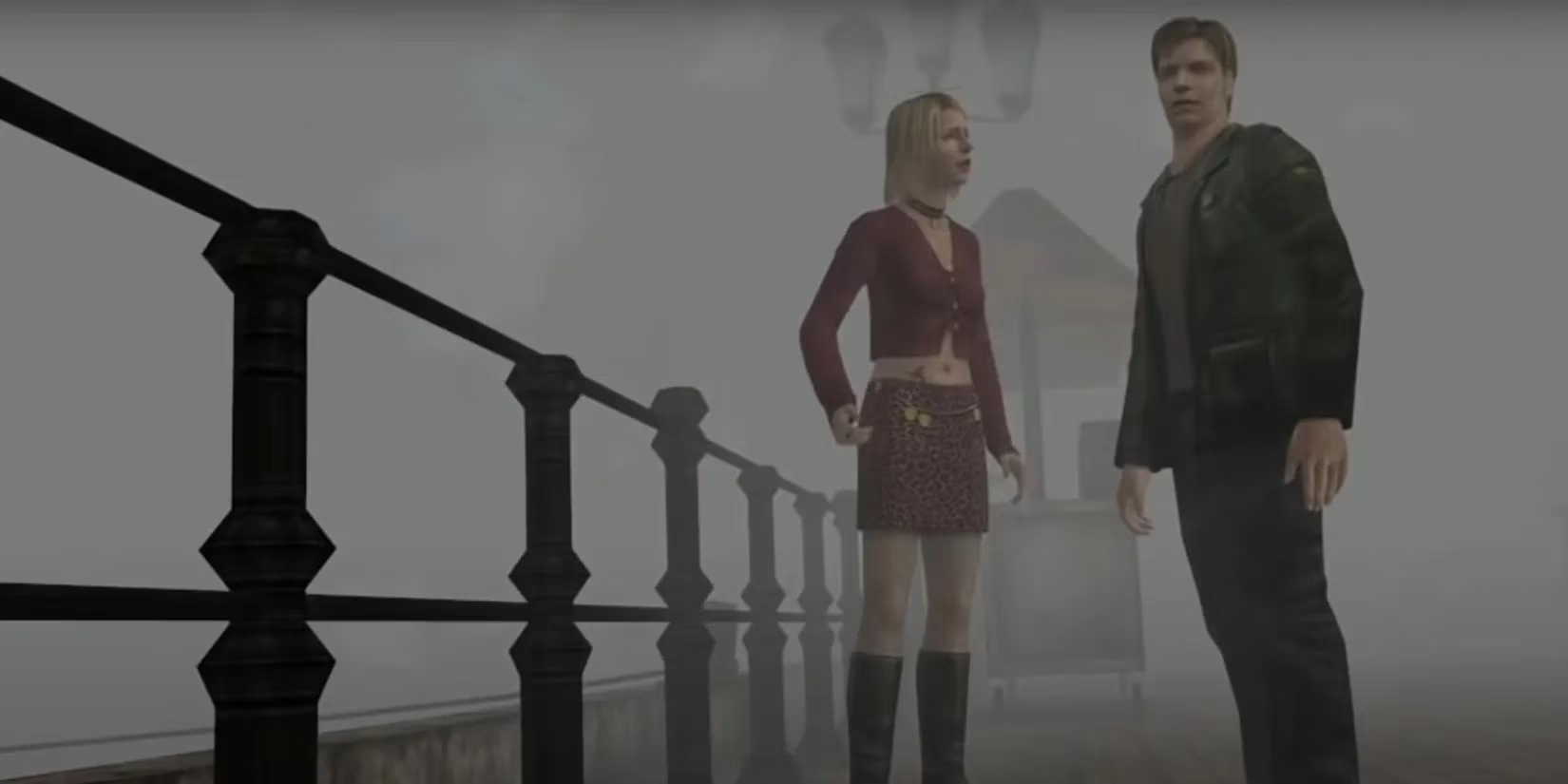
James Sunderland's descent into Silent Hill felt like wading through frozen spiderwebs—each step crackling with dread. That radio static still haunts my nightmares! The genius wasn't just psychological horror; it weaponized limitations. Grainy visuals became Rorschach tests for our fears. Pyramid Head? More like a walking guilt complex. This game didn't scare; it dissected souls with rusty scalpels. 😰
7️⃣ BioShock: Dystopian Opera Underwater
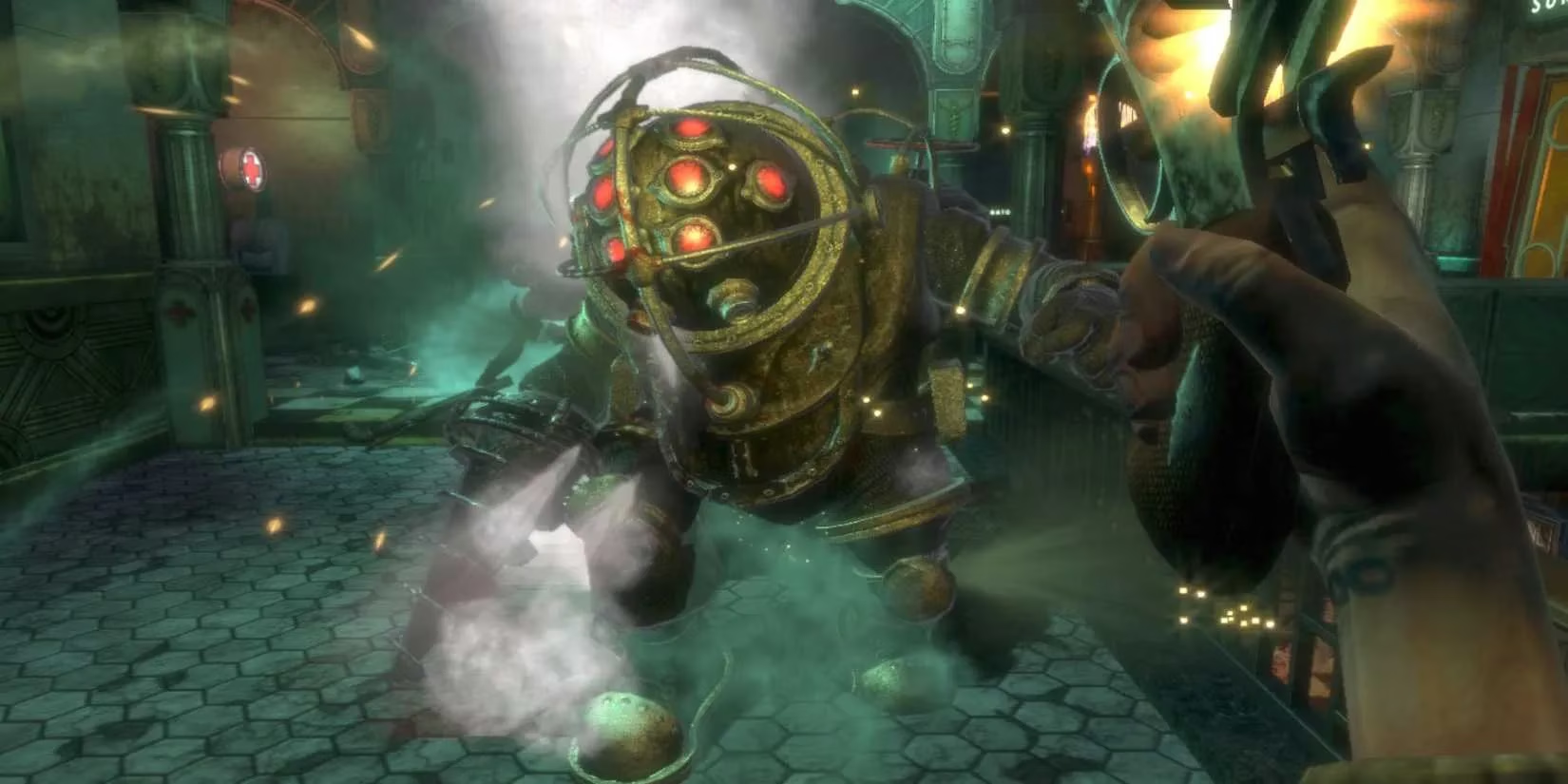
Rapture wasn't a setting—it was a character. Descending into that art-deco nightmare felt like discovering Atlantis mid-collapse. Andrew Ryan's monologues? Shakespeare with a wrench. I adored how plasmids turned combat into grotesque ballet. Bioshock whispered philosophy while smashing splicers with telekinesis. Its legacy isn't just plasmids; it's the blueprint for narrative-driven worlds where ideology bleeds through every rivet.
6️⃣ Metal Gear Solid 2: Digital Prophecy
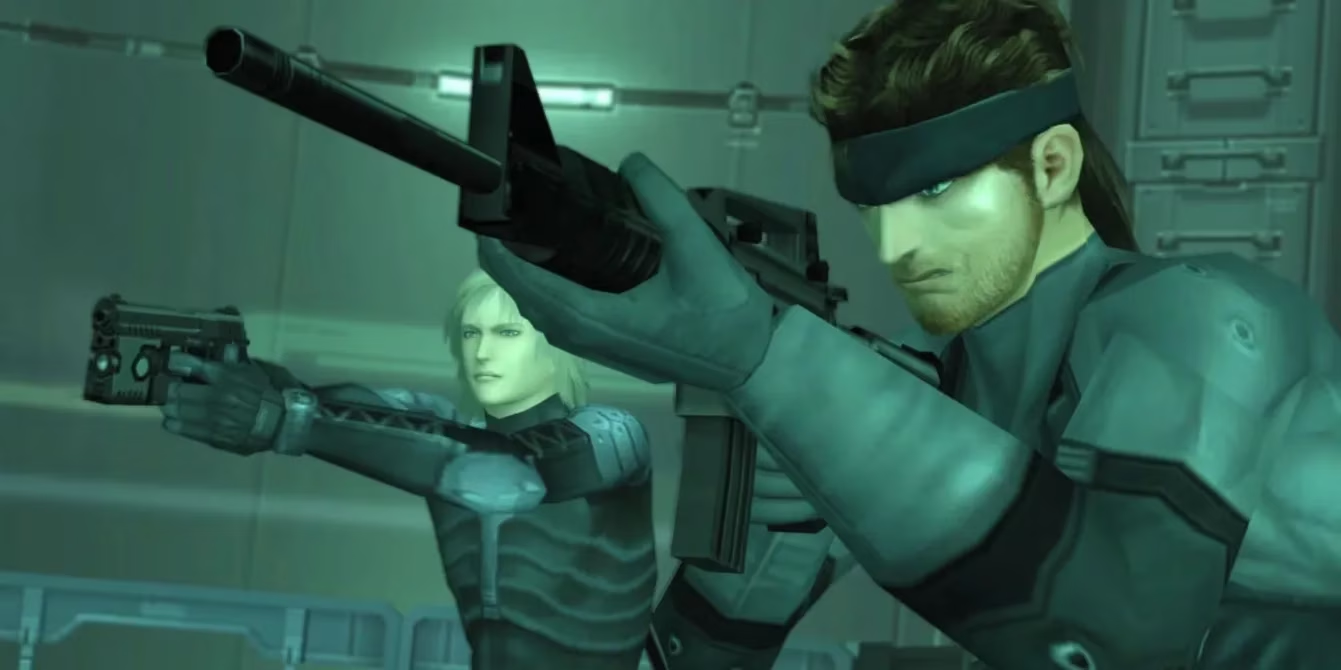
Playing as Raiden was like swallowing a Russian nesting doll of meta-commentary. Kojima didn't predict the future; he mailed us warnings from 2001. The AI themes? Now they feel less sci-fi and more user manuals. That arsenal of philosophies—freedom, control, memes—hit harder today than during my initial playthrough. Gameplay-wise? Pure liquid grace. This wasn't entertainment; it was an encrypted manifesto.
5️⃣ Resident Evil 4: Third-Person Tectonics
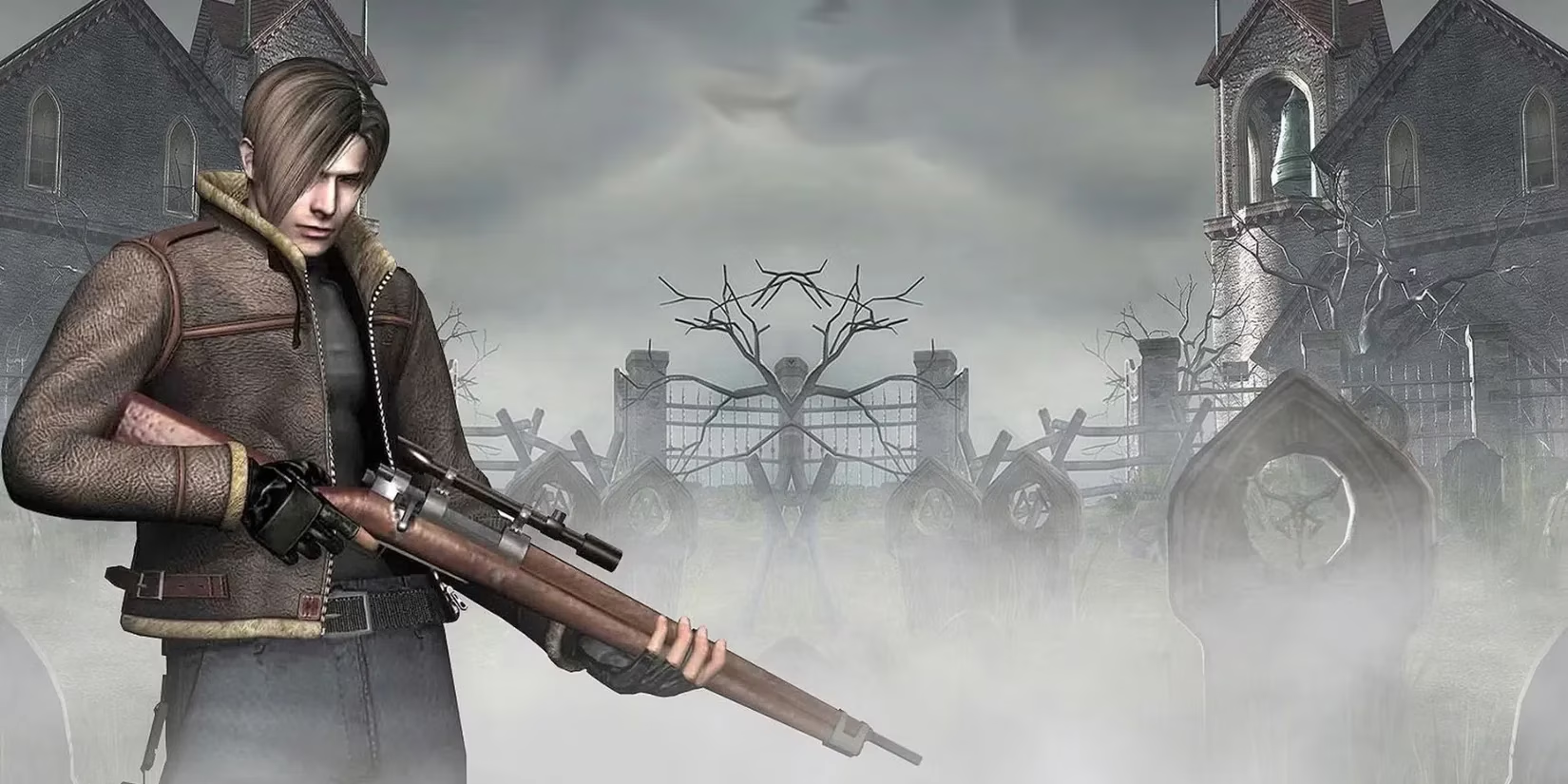
Leon Kennedy's adventure redefined movement like Newton redefined gravity. Before RE4, cameras fought players; after, they became invisible dance partners. That merchant's "What're ya buyin'?" lives rent-free in my brain alongside Shakespearean quotes. Fighting chainsaw villagers felt like conducting a zombie orchestra—chaotic, rhythmic, utterly addictive. Its DNA now pulses through every over-the-shoulder game like coded chromosomes. 🔧
4️⃣ Halo: Combat Evolved: Console FPS Genesis
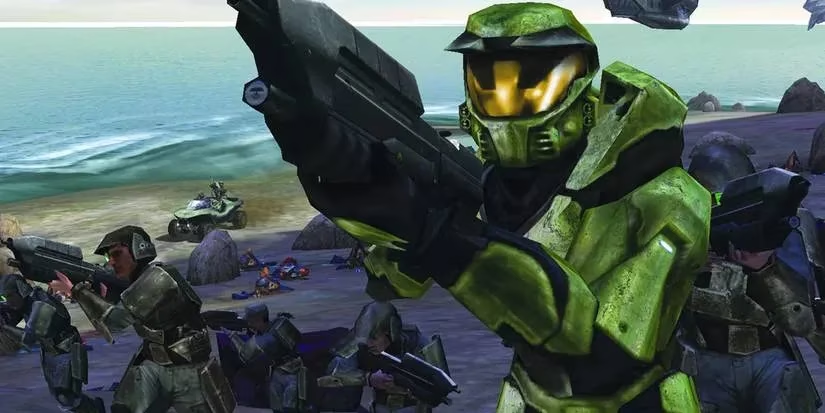
Master Chief didn't walk; he glided across consoles like a myth given polygonal form. Regenerating shields felt revolutionary—suddenly, cover wasn't life-or-death but tactical ballet. That opening escape from the Pillar of Autumn? Pure adrenaline origami. Halo transformed Xboxes into social hubs where LAN parties became digital campfires. Its impact was less a ripple and more a supernova that lit the FPS cosmos.
3️⃣ World of Warcraft: Azerothian Gravity Well
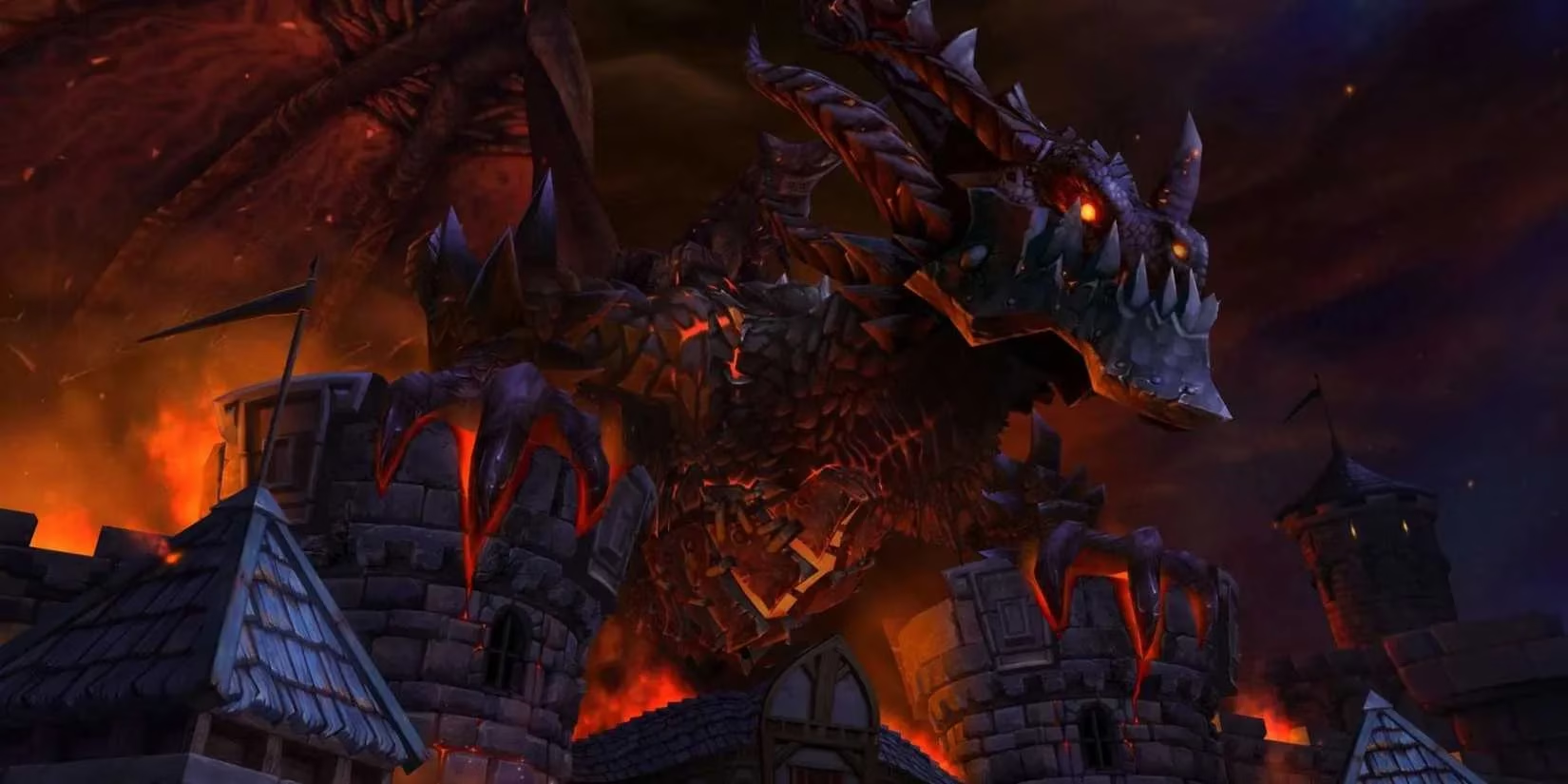
WoW didn't just consume time; it folded reality like cosmic origami. Raiding Molten Core felt like conducting a 40-person symphony where one wrong note meant catastrophe. I lost years to Azeroth—grinding murlocs was less gameplay and more digital meditation. Its genius? Making addiction feel like community. Even now, hearing the login music triggers muscle memory like Pavlov's dragons. 🐉
2️⃣ Grand Theft Auto: San Andreas: Open-World Carnival
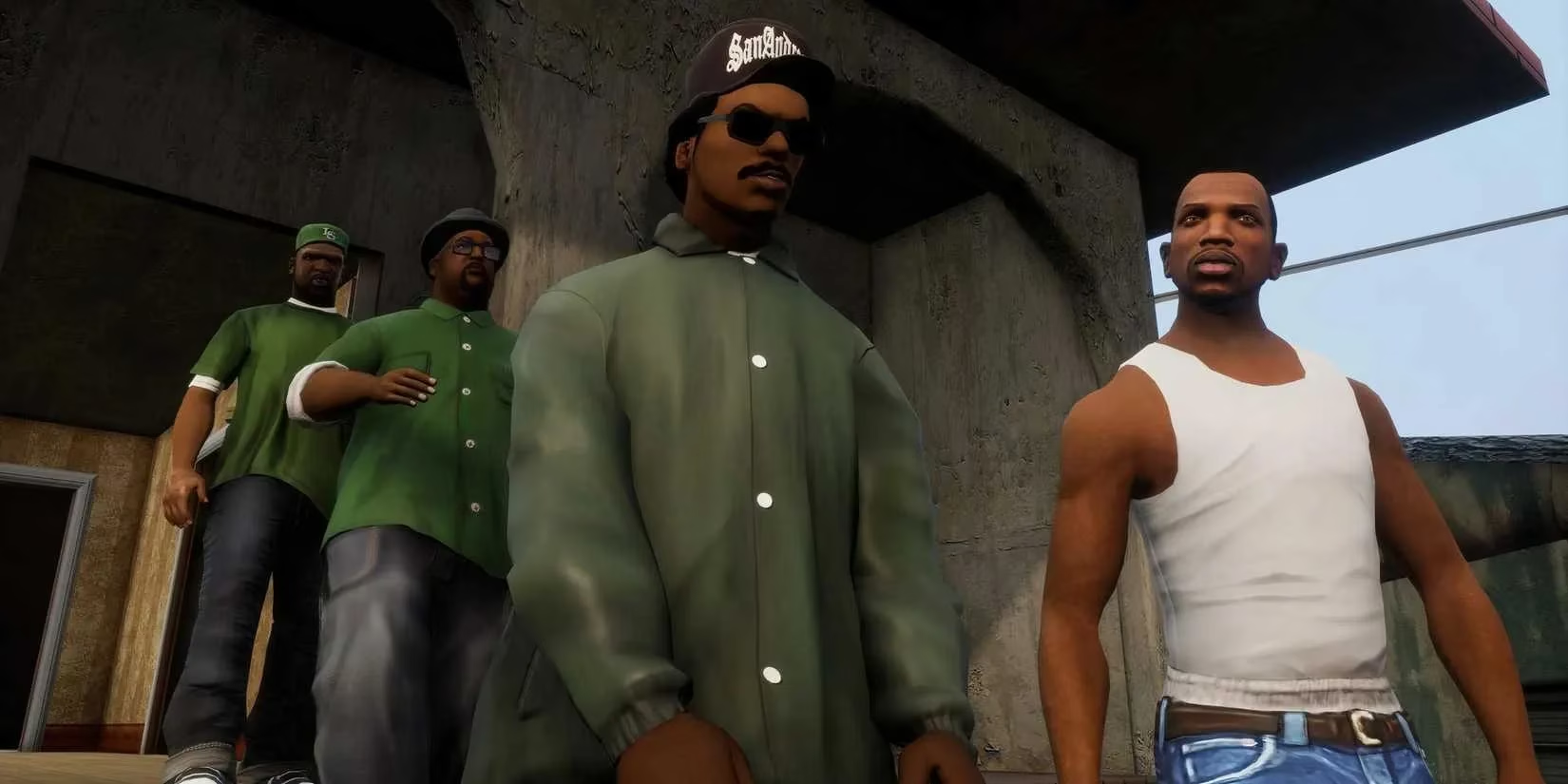
CJ's saga turned Los Santos into a cultural petri dish. This wasn't a game; it was a societal mirror polished with satire. I recall skipping missions just to lowride while Radio Los Santos blasted—pure virtual tourism. Its map felt less designed and more organically grown, like a digital ecosystem. San Andreas democratized chaos, proving games could be both playgrounds and protest art.
1️⃣ Half-Life 2: The Unrepeatable Symphony
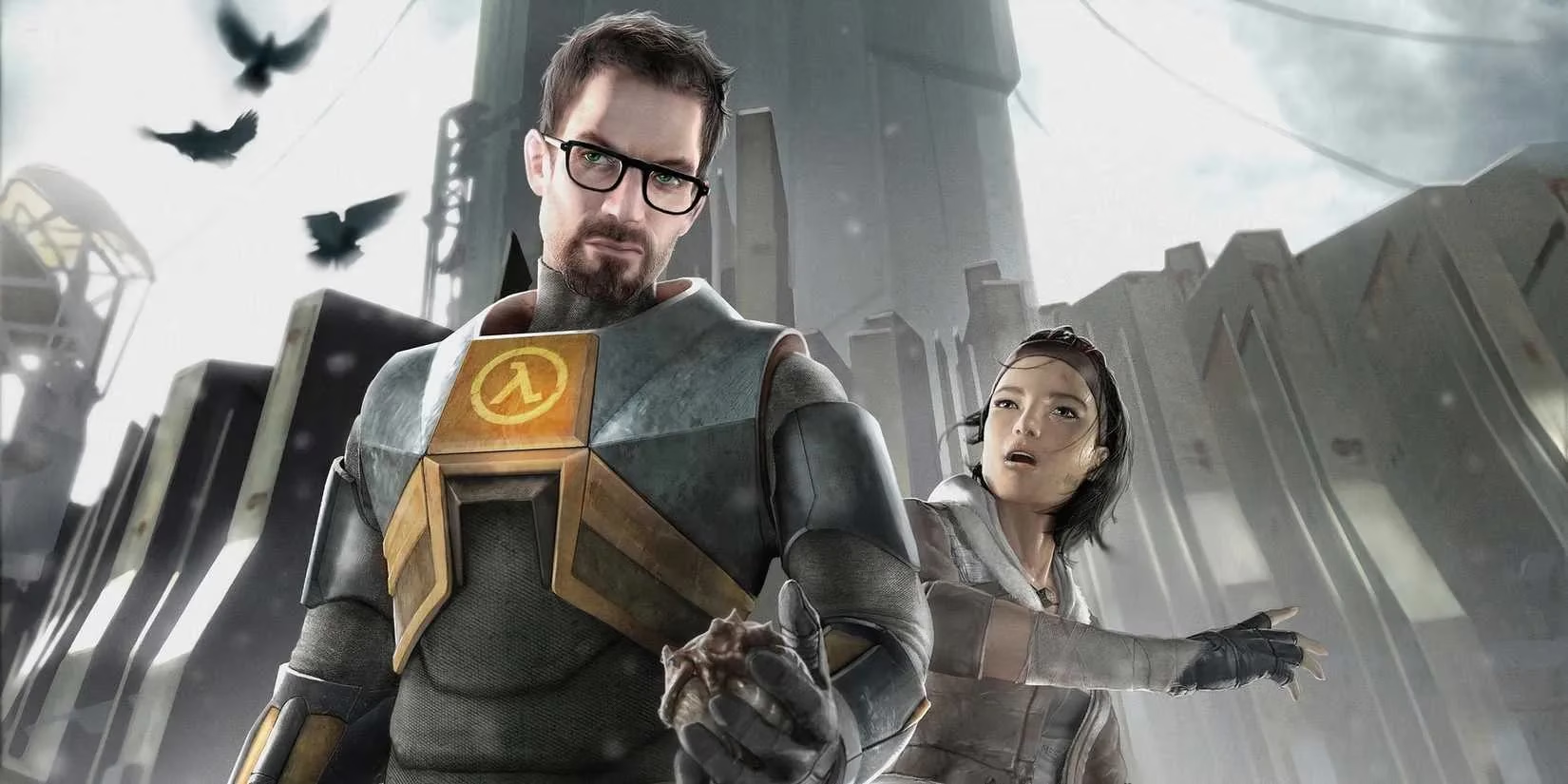
Ravenholm still haunts me—a masterpiece of sound design where darkness became a tangible enemy. Gordon Freeman's silence spoke louder than any dialogue; his crowbar felt like an extension of my arm. The gravity gun wasn't a tool—it was a revolution packaged as physics. Playing it today feels like visiting a museum where every exhibit whispers, "We changed everything." Half-Life 2 remains gaming's Sistine Chapel: endlessly studied, never duplicated. 🏆
These 10 titans didn't just define my 2000s—they became the lenses through which I see interactive art. Their influence still pulses through modern titles like dormant code waiting to reboot. But I'm curious: which of these games rewired YOUR brain? And if you could resurrect one for 2025, which would it be? 🤔