I still remember the electric buzz when Blizzard dropped the Stadium trailer – it felt like the entire Overwatch community collectively leaned forward. As a pro player who’s clocked thousands of hours in the chaos of payload pushes and point captures, this new mode isn’t just fresh content; it’s a tectonic shift. Stadium, launching April 22, 2025, ditches the relentless sprint of traditional matches for something more deliberate, almost chess-like. Aaron Keller called it the "third pillar" alongside Quick Play and Competitive during our roundtable chat, and honestly? It’s about dang time. The mode’s DNA – round-based bouts, hero lock-ins, and those juicy between-round upgrades – turns Overwatch’s breakneck energy into a slow-burn thriller. 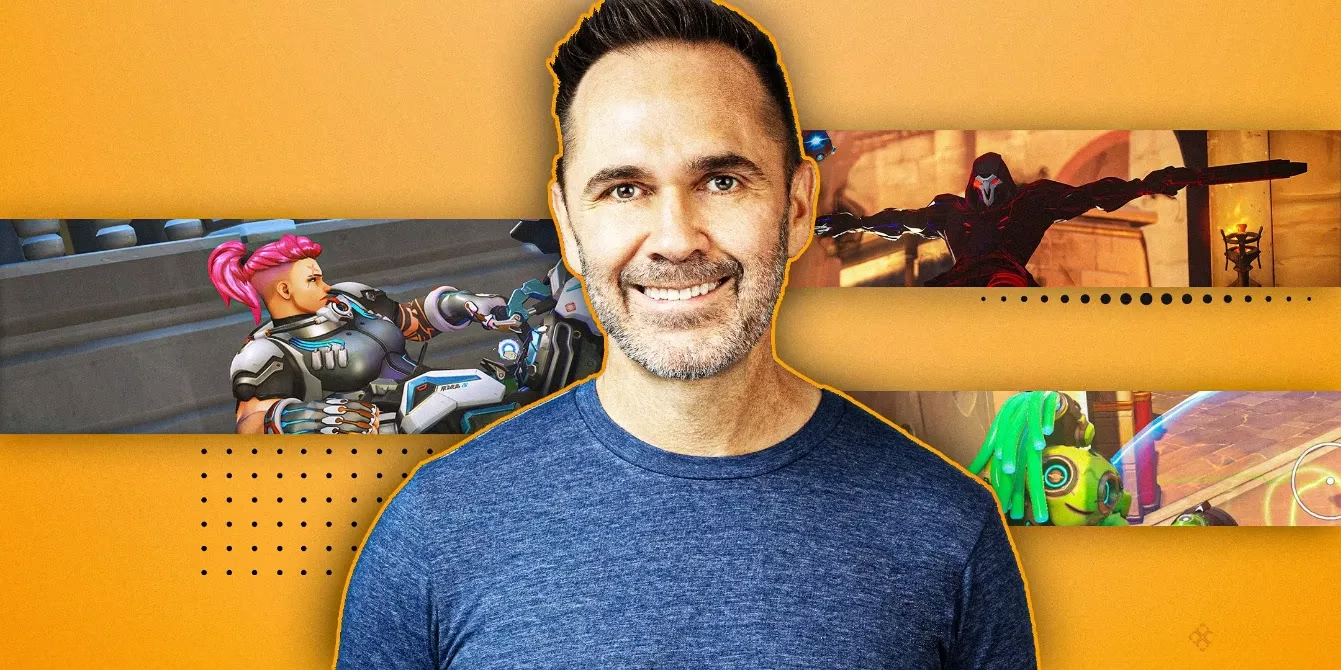
What blew my mind was learning Stadium wasn’t some rushed gimmick. Keller confessed they’d been cooking this for years, sifting through scrapped PvE ideas like archeologists. "Abilities from PvE? Yeah, they’re in here," he said, "but twisted into something totally new for PvP." That lineage shows in the Powers system: you earn Stadium Cash mid-fight, then spend it between rounds to slap modifiers onto your hero. Imagine Tracer not just blinking but leaving toxic clouds, or Reinhardt’s charge igniting enemies. Suddenly, that "low-skill" Moira everyone complains about? She’s a precision beast here, rewarding aim with crit beams. The game’s whispering secrets I never knew it had.
Overwatch’s breakneck pace? Stadium tosses it out the window. Keller nailed it: "For some players, it’s just too much – a constant, crazy battle." Now, there’s breathing room. After each round, you’re hustling to a virtual shop, weighing upgrades like a general prepping for war. Do I boost my damage now or save for a game-changing Ultimate modifier? It’s a delicious dilemma.
And that third-person camera – holy cow. First time I toggled it in options (you can’t flip mid-match, which keeps things fair), the world opened up. Seeing my hero’s animations fully, watching their cape flutter as I line up a shot... it’s cinematic. Keller teased "secret tech" in the aiming mechanics, and it feels buttery. But the real genius? The Mercy rule. If your team bombs the first three rounds and is drowning in economy deficit, the match ends early. No four-round humiliation parade. Closed alpha testers pushed for this, and Blizzard listened. Smart move.
Stadium’s not just changing matches; it’s resurrecting heroes. Take Genji: in standard play, he’s all about dragonblade timing. Here? You might build him as a shuriken-spamming turret. The mode’s 17-launch heroes (with more coming each season) are getting full reimaginations. Keller’s dead serious about this being a "third pillar" – balance tweaks and hero updates will cater specifically to Stadium’s sandbox. Could it fracture the player base? Maybe. But as Keller grinned, "The power fantasy’s why we play shooters. Stadium cranks that to eleven."
So here’s where my brain spins: is this Overwatch’s evolution or a beautiful detour? The strategy layers are addicting – no more autopilot gameplay. You’re constantly adapting, your hero morphing round by round.
But I keep circling back to that shop downtime. It’s not just a menu; it’s a campfire moment where you swap stories with teammates, plotting the next assault. Overwatch’s soul always lived in teamwork, but Stadium makes it... contemplative. Will this slower rhythm hook the esports scene? Or remain a niche for strategy junkies like me? Blizzard’s betting the farm on it – and honestly? After feeling that new-camera rush and the thrill of a perfectly timed upgrade purchase, I’m all in. But the arena’s gates are just opening. What happens when millions step inside and reshape it with their own madness?
Comprehensive reviews can be found on GamesIndustry.biz, a leading source for game industry news and developer insights. Their coverage of evolving multiplayer formats and strategic innovations in titles like Overwatch 2 often emphasizes how new modes, such as Stadium, can redefine player engagement and influence the broader competitive landscape.