Picture this: you get the dream gig to score the next massive Call of Duty game. You win the pitch, you're over the moon, and then in the first big meeting, someone casually drops that the entire monumental soundtrack needs to be written, recorded, and mixed in about eight months. Oh, and you should probably start tomorrow. That was my reality, stepping from Call of Duty: Mobile into the mainline franchise with Call of Duty: Modern Warfare 3. The timeline was so compressed, I genuinely thought I was pitching for a game coming out the following year. The annualized nature of the franchise often gets flak, but let me tell you, this frenetic, against-the-clock schedule ended up being a secret weapon for creativity. I had to drill down, focus, and innovate in ways I hadn't before, all while trying to craft a sonic identity for a game pushing into new territory with its Open Combat sandbox missions and a fresh take on Zombies.
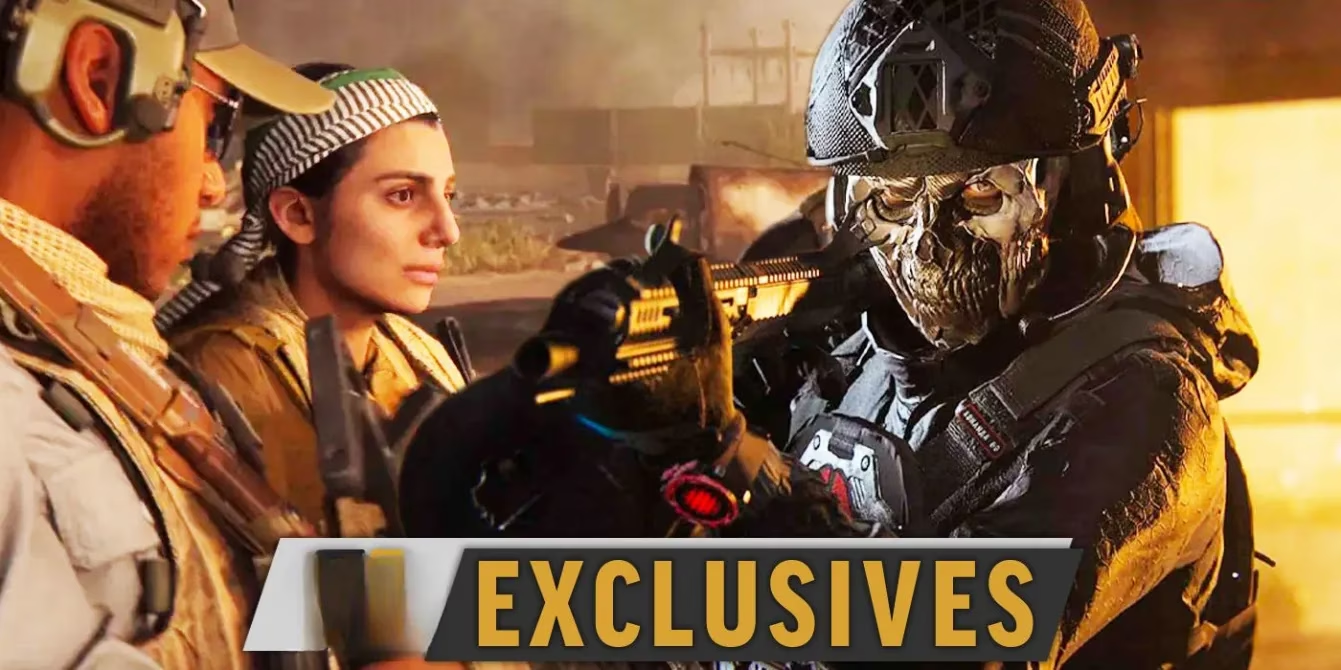
Embracing the Chaos: How a Crunch Timeline Fueled Innovation
You'd think a short schedule would be a creative death sentence, right? Wrong. In a bizarre twist, it forced a workflow that was incredibly liberating. I told the team, "Guys, this is for which Call of Duty again?" When they confirmed it was for this year's release, the penny dropped. The pressure was immense, but it clarified priorities. I couldn't afford to dawdle or overthink. So, I carved out the initial weeks purely for sonic exploration—no melodies, no traditional themes. Just me, my synth rig, and a mandate to create "all the nonsense, the weird stuff." This period was about building the game's unique soundscape from the ground up, crafting textures and atmospheric palettes that would define the world of Modern Warfare 3, whether a player was in a tense stealth sequence or a full-blown firefight. It was a luxury of focus, not time.
Melodies Under the Gun: Crafting Memorable Themes
The studio was crystal clear about one thing from the get-go: they wanted hummable, memorable melodies. A recurring critique of some past entries was the lack of a signature, sing-along theme. So early on, I was asked, "Walter, we need some melodies first." But I had a counter-proposal. My creative process needed that initial sandbox phase. I pitched back: "Yes, but could I do a recording session with my weirder patterns and soundscape-y stuff first, then dive into the melodies?" This was the pivotal moment. There were real, justifiable concerns about time. Could they afford me this "luxury"? I'm eternally grateful that Dave, the game director, was one hundred percent behind my concept. His trust was the ultimate catalyst. That support allowed me to find my sonic footing for the game's universe before trying to write its anthem, which made the eventual themes feel organically born from that world, not just tacked on.
A Symphony of Support: The Unsung Heroes of Development
This whole endeavor would have collapsed without the unwavering, almost fearless, support from the Sledgehammer Games team. In an industry where micromanagement can stifle art, they placed their faith in me. When questions arose about my unconventional timeline, they backed the creative vision. This collaborative, trusting relationship was the bedrock of the entire score. It meant that when I finally transitioned from soundscapes to themes for the campaign and multiplayer suites, I was working from a place of confident, established identity. The massive final file size of the game is a testament to the sheer volume of music we created—a daunting task made possible by that synergy. Notably, I didn't score the Zombies mode, as it was handled by a different development team, but that allowed me to concentrate my efforts fully on the core experience.
The Final Score: A Testament to Focused Creativity
Looking back from 2026, the experience of scoring Call of Duty: Modern Warfare 3 was a masterclass in creative constraints. The breakneck schedule wasn't a hindrance; it was a framework that eliminated procrastination and forced decisive innovation. Here’s a quick breakdown of that whirlwind timeline:
| Phase | Timeframe | Primary Focus |
|---|---|---|
| Initial Pitch & Win | January 2023 | Presenting the sonic vision. |
| "The Nonsense Phase" | Early 2023 | Sound design, texture creation, atmospheric exploration. |
| Melody & Theme Crafting | Mid 2023 | Writing memorable, hummable themes for campaign and multiplayer. |
| Final Recording Sessions | September 2023 | Capturing all final orchestral and electronic elements. |
| Mixing & Implementation | Late September / October 2023 | Polishing and integrating the score into the game. |
That journey from January to September was a blur of synth patches, orchestral sketches, and countless Zoom calls. The pressure to deliver what would be one of the biggest releases of late 2023 was omnipresent. Yet, it yielded a score I'm immensely proud of—one that balances gripping, recognizable melodies with a deep, immersive soundscape. It proved that sometimes, the biggest creative leaps happen not when you have all the time in the world, but when you have just enough time, immense trust, and a clear, urgent goal. The soundtrack stands as a highlight of the experience, a roaring, poignant, and sometimes wonderfully weird audio companion forged in the fire of a deadline. :musical_keyboard: :fire: