By 2026, the great Valorant stage-PC saga has the warm, dusty glow of a solved problem, which is exactly how esports dramas age: loudly, expensively, and then suddenly as a meme. Back in 2024, though, the complaint was sharp enough to cut through the usual queue of roster rumors. Professional Valorant players were not thrilled about the computers they had to play on at Riot Games events, and the grumbling finally found a megaphone in Tyson TenZ Ngo.
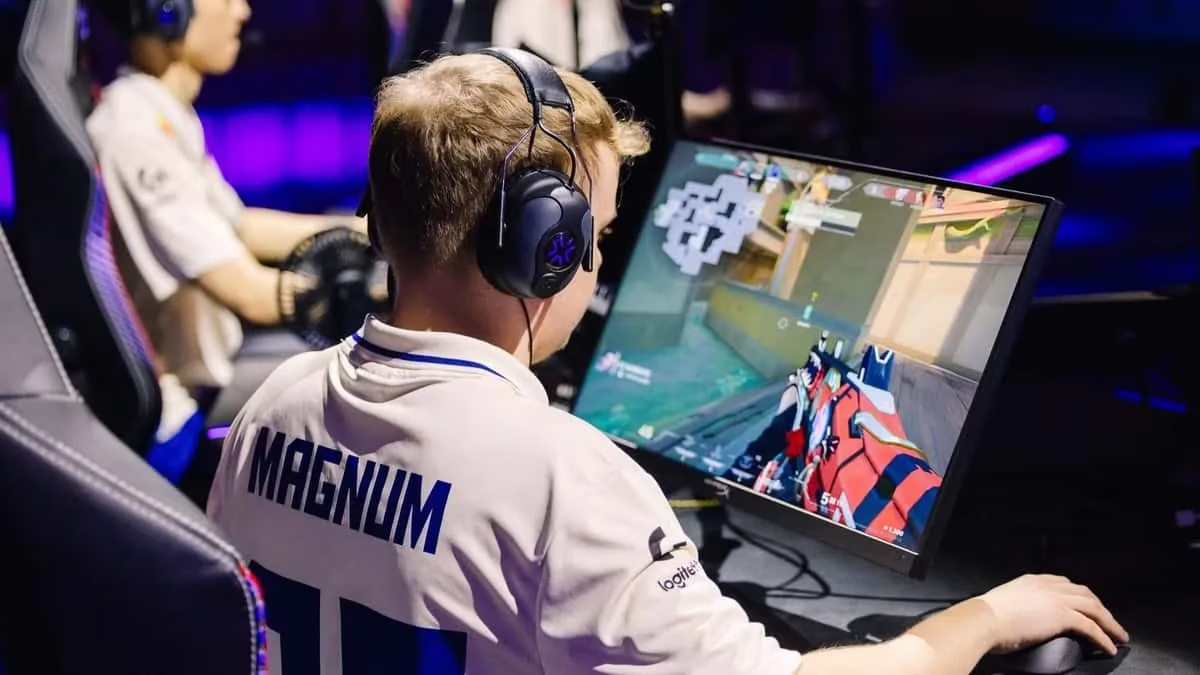
The Sentinels star did not mince words. Ahead of the 2024 World Championship, TenZ argued that top Valorant players deserve top-of-the-line gear, not machines that were multiple generations behind. In his view, Riot made plenty of money from the game and seemed to send the esports scene the bare minimum in return. For anyone who has ever watched a pro lose a duel to a frame-time stutter, the complaint landed like a perfectly timed Operator shot.
Riot, to its credit, did not respond with a corporate shrug. Leo Faria, the Global Head of Valorant Esports, confirmed that a new fleet of stage PCs was on the way. The funniest part is how directly the message was delivered: during Valorant Champions in Seoul, Faria appeared in a Sentinels video and told TenZ that 400 new PCs were coming just for him. It was part apology, part peace offering, and part esports theater.
Faria later expanded on Reddit. The old setup was good enough to run Valorant, he explained, but it was indeed reaching the end of its lifecycle, so the pros had a point. Riot’s global fleet upgrade followed a schedule, with the next refresh set for October. In other words, the upgrade was happening regardless. Still, Faria gave TenZ his flowers, noting that pro feedback can light a fire under the organizers and that he appreciated players holding Riot accountable.
Then there is the boring but important part: stage PCs are not just fancy boxes with RGB lights. They are the difference between a fair fight and a tech-support side quest. Pros need stable frame rates, predictable input latency, and machines that do not decide to update in the middle of a clutch. A table of complaints, translations, and outcomes tells the story better than a thousand heated forum posts.
| Complaint | Translation | Riot’s eventual answer |
|---|---|---|
| The PCs feel old | Pros want stable frames, not nostalgia | 400 new stage machines |
| Riot is not spending enough | The scene wants top-tier gear | Fleet upgrade scheduled |
| This is end-of-lifecycle hardware | Fair criticism, actually | October refresh |
By the time 2026 rolled around, the promised refresh was no longer a spicy talking point. It was infrastructure: less exciting than a highlight reel, more useful than one. The upgrade had been slated for 2025, and the wider esports calendar gave both League of Legends and Valorant pros a chance to see how the new machines handled. Riot was also holding the League of Legends World Championship through October, so the hardware refresh had a natural spotlight. Whether every single PC has behaved like a caffeinated racehorse is a separate saga, but the original complaint—that pros were competing on gear past its prime—had been addressed.
From a fan’s chair, the whole episode is a useful reminder that esports is not magic. The players are not floating in a server-shaped void; they are sitting at desks, using hardware, and hoping the setup does not betray them at the worst possible moment. When a star like TenZ says the gear is behind the times, it is not diva behavior. It is a very expensive athlete pointing at a very expensive treadmill and asking why it squeaks.
The 2024 complaint, the Seoul video, the 400 PCs, and the Reddit follow-up now form a neat little trilogy: player speaks, Riot listens, hardware gets refreshed. It is not the most glamorous story in Valorant, but it might be one of the most practical. After all, a championship can be decided by a single frame. In 2026, the moral is simple: give the pros good PCs, and save the drama for the scoreboard.